E-detailing is not a tablet held between a medical representative and a doctor. It is a prepared way of communicating approved product information with digital material.
The screen can make finding the right chart or clinical explanation easier, but it cannot replace product knowledge or a sensible conversation.
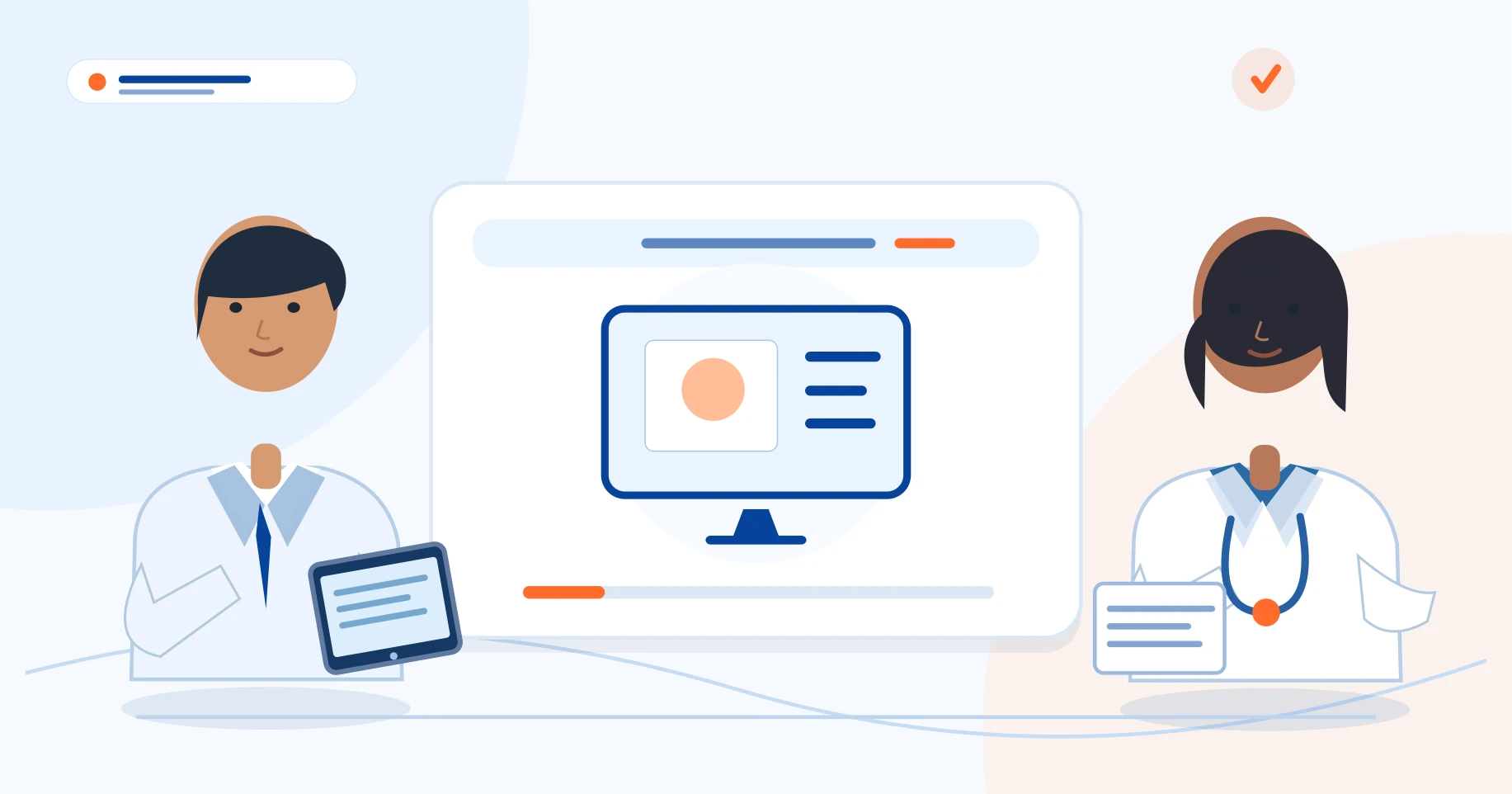
Treat e-detailing as a doctor-conversation workflow supported by digital material—not as a PDF viewer with a new name.
- Can an MR reach an important evidence page within a few taps?
- Are file versions and company-approved materials clearly controlled?
- Can the intended team use the software comfortably in their actual field conditions?
The difference between a PDF and a detailing workflow
A PDF is a file. A detailing workflow starts before the doctor call: choose the intended brand message, confirm the latest approved page, and decide which material might answer the doctor's most likely questions.
During the visit, the MR should be able to move directly to that page. Afterward, the team can continue its normal field process.
Good software supports that sequence rather than treating every slide as equally important.
What happens during a short doctor call
Imagine an MR waiting for a short consultation gap. The doctor asks about a formulation's practical suitability, not the entire brand history.
The representative needs the relevant approved composition page, evidence summary and product positioning—not twenty pages of introduction. The same principle applies whether the discussion lasts 45 seconds or five minutes.
Technology is useful when it makes those choices quick.
Where the company gains control
With a maintained brand library, a company can organize approved artwork by product, division and intended use. Managers can communicate which pages should be shown and train new MRs on the sequence.
The benefit is consistency and preparation. It does not establish that every doctor saw the material or prescribed the brand, and it should not be marketed as proof of clinical impact.
What to check before buying
Watch a complete demo: import an approved file, arrange its pages, open a brand, change the page order, and check what happens when the internet is disconnected. Then test the software on the actual device your MR uses.
Presentation quality, offline preparation and understandable controls matter more than a long list of technical labels.
- Can an MR reach an important evidence page within a few taps?
- Are file versions and company-approved materials clearly controlled?
- Can the intended team use the software comfortably in their actual field conditions?
Treat e-detailing as a doctor-conversation workflow supported by digital material—not as a PDF viewer with a new name.

Pharmadigi — grounded in pharma field experience
Doctors Detailing is developed for pharma field workflows under the direction of Sandeep Kumar Soni, Pharma Business Consultant & Trainer. The field guides are prepared by the Pharmadigi editorial team and should be reviewed against your company policy before use.
Learn about Doctors Detailing →